Posted July 09, 2026 in Rhinoplasty
7 minute read

Talking after rhinoplasty is one of the most common recovery questions patients have before nose surgery. You may wonder if speaking too soon can affect your results, increase swelling, or make healing more uncomfortable. The reassuring answer is that most patients can talk after rhinoplasty, but you should keep conversations short, soft, and calm during the early healing period.
At DAVinci Plastic Surgery in Washington, D.C., rhinoplasty is a highly customized procedure planned around your facial balance, nasal anatomy, and cosmetic or functional goals.
Table of Contents
- Why Talking After Rhinoplasty Surgery Matters
- Can You Talk After Rhinoplasty?
- What to Expect When Speaking During Early Rhinoplasty Recovery
- Tips for Talking After Nose Surgery
- Laughing, Yawning, and Facial Expressions After a Nose Job
- How Talking Fits Into Rhinoplasty Recovery and Aftercare
- Why Choosing the Right Rhinoplasty Provider Matters
- FAQ About Talking After Rhinoplasty
Why Talking After Rhinoplasty Surgery Matters
Your nose and nearby tissues are delicate after rhinoplasty. Talking moves the upper lip, cheeks, and muscles around the nose, which may increase swelling, tightness, or discomfort during the first few days of recovery. Excessive talking can also place unnecessary movement on healing tissues.
This does not mean you need to stay completely silent. It means you should treat speaking as part of your rhinoplasty aftercare plan. Short, gentle conversations are usually easier on your healing nose than long phone calls, animated discussions, loud laughter, or shouting.
Can You Talk After Rhinoplasty?
Yes, you can talk after rhinoplasty, but you should limit it at first. Many patients can speak softly a few days after surgery, while normal conversation becomes more comfortable after about one to two weeks. Your exact timing depends on your procedure, swelling, splinting, comfort level, and your surgeon’s instructions.
During the first few days, use your voice only when needed. Text messages, notes, and short answers can help you communicate without overusing your facial muscles. If talking creates pressure, throbbing, or discomfort, pause and rest.
What to Expect When Speaking During Early Rhinoplasty Recovery
Your voice may sound different right after nose surgery. Swelling inside and outside the nose can make you sound congested or nasal. Splints or packing may also make speech feel awkward. These changes are usually temporary and improve as swelling goes down.
You may also feel self-conscious about talking because your nose is bandaged, swollen, or protected by a splint. It’s advised to sleep with your head elevated to help minimize swelling and bruising.
If your job requires meetings, calls, or public speaking, plan ahead. A quieter schedule can make your nose job recovery feel less stressful and more comfortable. Patients with speaking-heavy jobs may want to discuss work timing during their rhinoplasty consultation.
Tips for Talking After Nose Surgery
Small choices can make speaking after rhinoplasty easier. Your surgeon’s instructions should always come first, but these general habits may help you stay comfortable:
- Speak softly and slowly.
- Keep conversations short.
- Avoid shouting, singing, or laughing loudly.
- Use text messages when possible.
- Take breaks during conversations.
- Stay hydrated.
- Avoid exaggerated facial expressions.
- Do not chew gum while talking.
- Stop smoking.
- Stop speaking if you feel pressure or discomfort.
These steps help reduce unnecessary movement around the nose while your tissues begin to heal.
Laughing, Yawning, and Facial Expressions After a Nose Job
Patients often worry that laughing, smiling, crying, or yawning will ruin their rhinoplasty results. Moderate facial expressions are unlikely to ruin your results, but strong or forceful movements can strain healing tissues during the first one to two weeks.
Try to avoid intense laughter, wide yawning, long crying spells, and animated facial expressions early in recovery. If you feel a yawn coming on, keep it gentle. If you laugh, avoid throwing your head back or opening your mouth widely. These small precautions can help protect your comfort while swelling improves.
How Talking Fits Into Rhinoplasty Recovery and Aftercare
Talking is only one part of the recovery period. Most patients can return to work about one week after nose job surgery, while strenuous exercise, contact sports, and physical activity may usually resume after one to two months once the nose has healed enough. Swelling can continue intermittently for up to one year. Because of that timeline, you should not judge your results too early.
This gradual recovery is why choosing a skilled rhinoplasty provider matters. Your surgeon should explain what to expect, when to return to work, how to manage talking and activity, follow-up appointments, and when to call the office with concerns.
Why Choosing the Right Rhinoplasty Provider Matters
Rhinoplasty is a detailed facial procedure. DAVinci Plastic Surgery offers both open and closed rhinoplasty options, and the right approach depends on your nasal anatomy, the complexity of your desired changes, and the surgeon’s guidance.
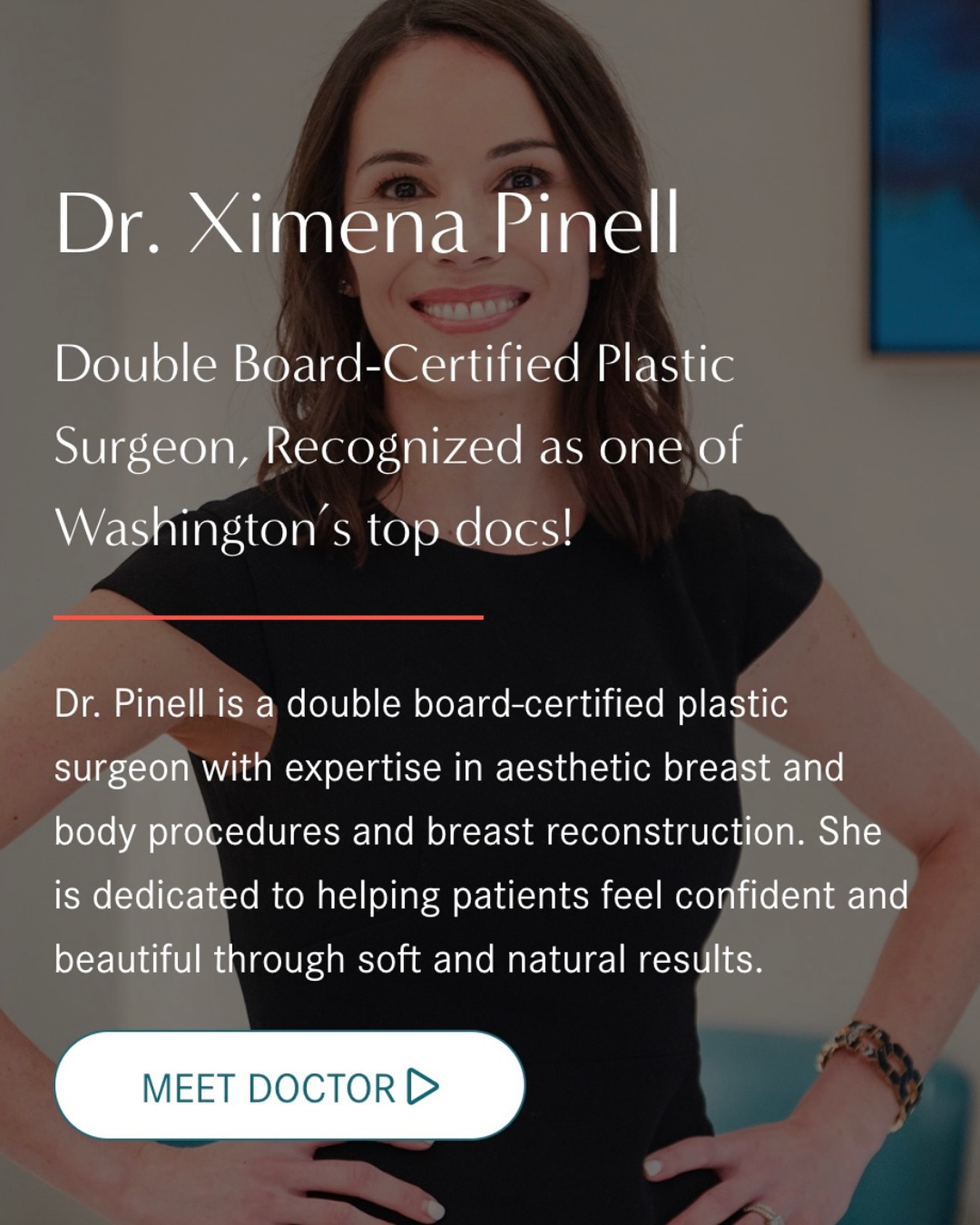
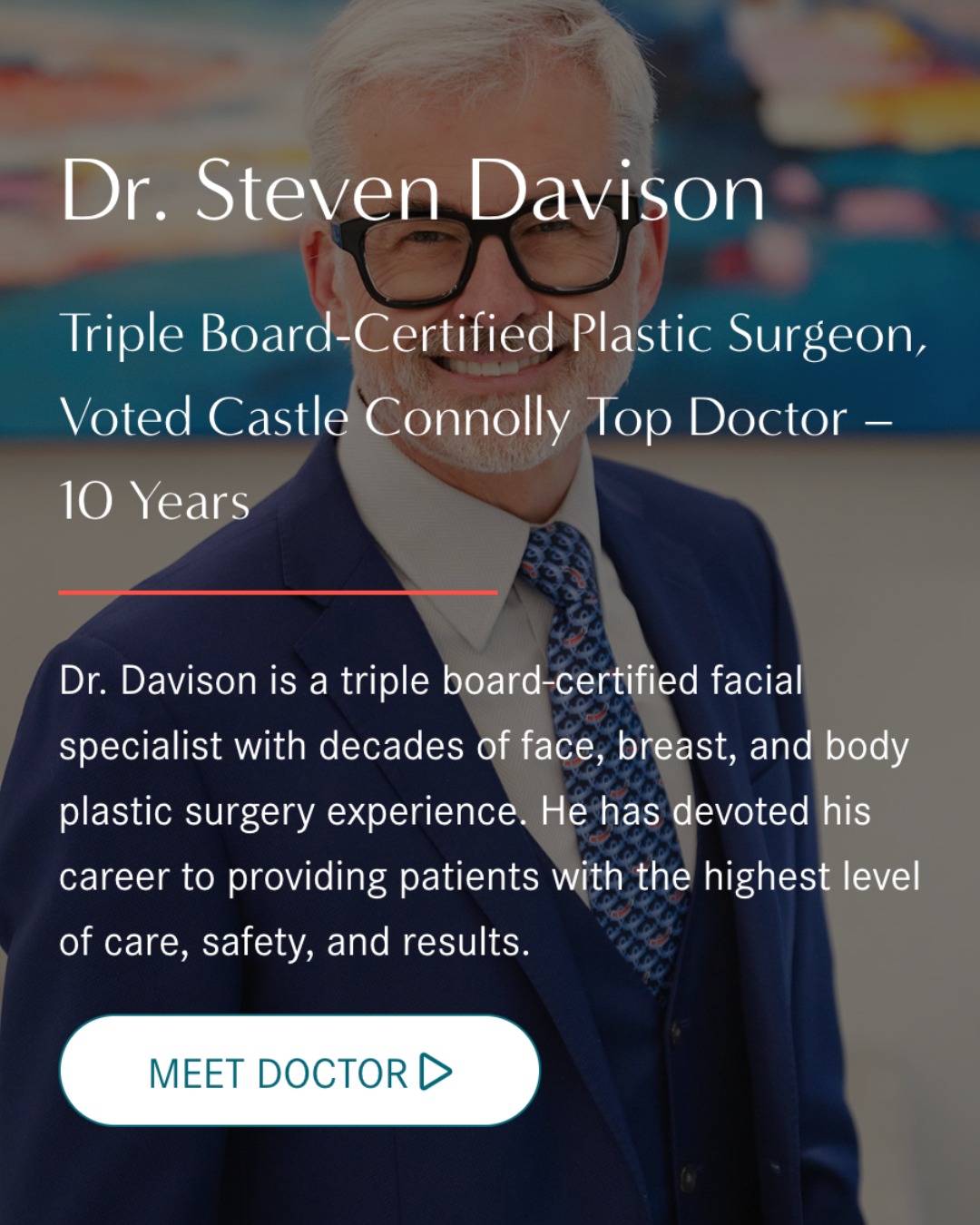
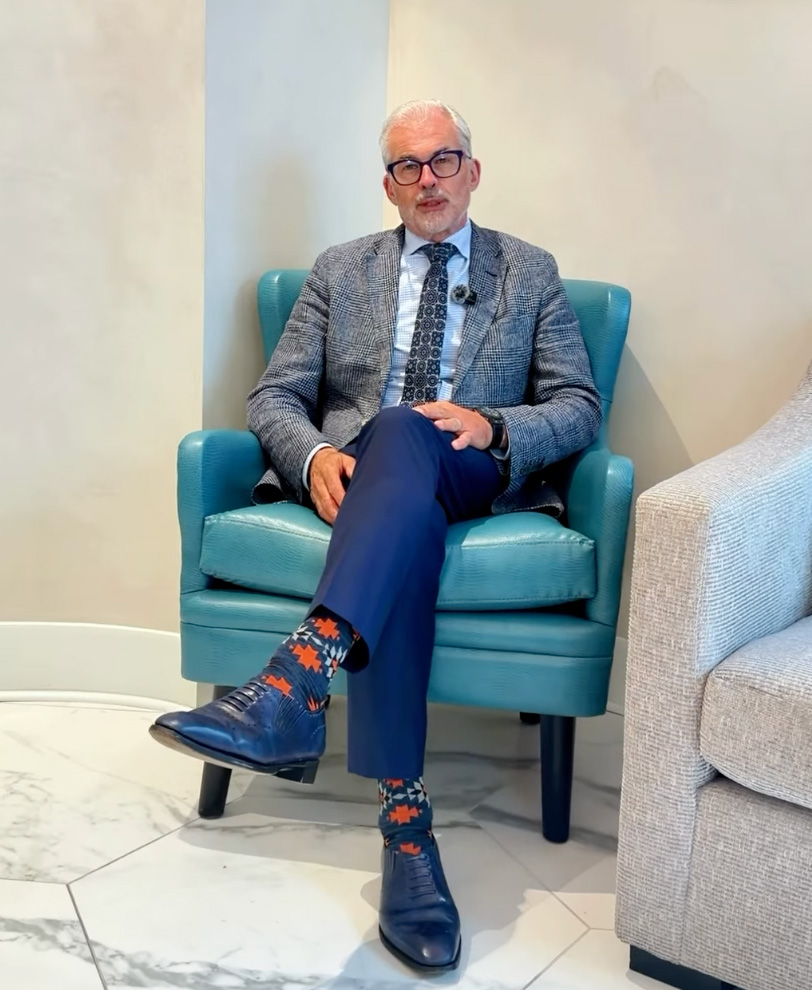
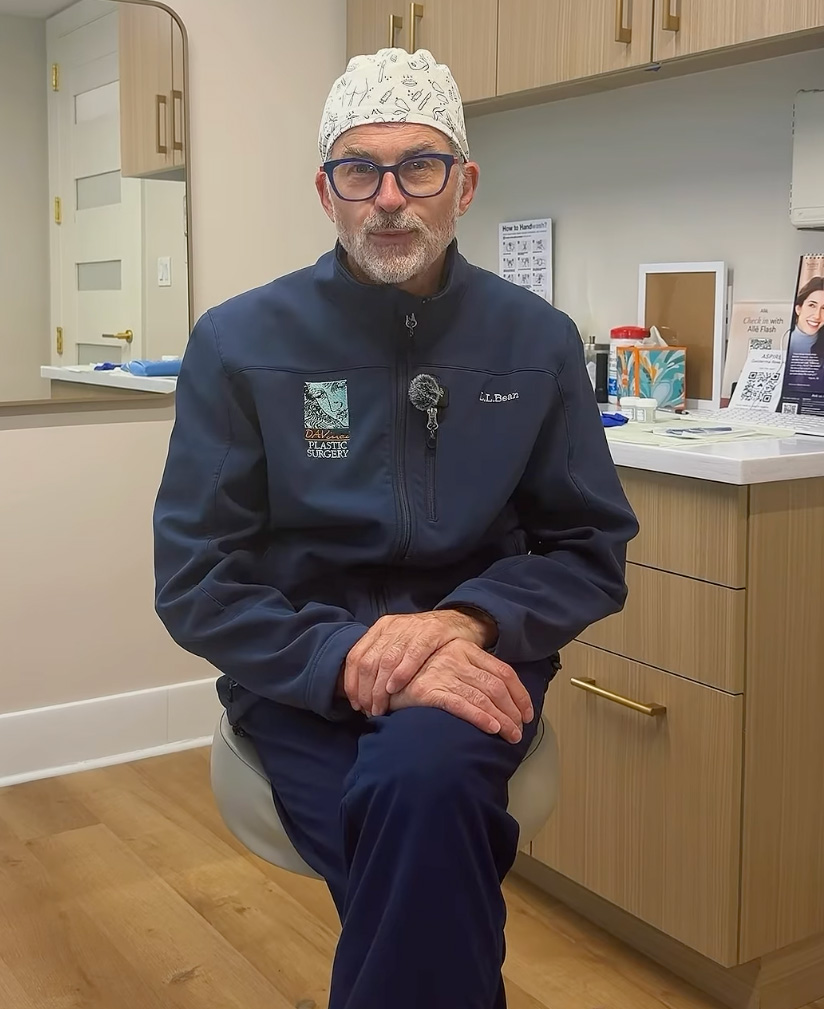
For patients in Georgetown, DC, and the surrounding Washington, D.C., area, DAVinci Plastic Surgery emphasizes precision, artistry, individualized care, advanced techniques, and meticulous attention to detail for natural-looking rhinoplasty results. Dr. Steven P. Davison is a triple board-certified facial specialist with decades of experience in face, breast, and body plastic surgery, and Dr. Pinell is a double board-certified plastic surgeon dedicated to soft, natural results.
Your consultation is the best time to ask how your recovery will fit your work, social life, and daily communication needs. The initial consultation is face-to-face with your surgeon, allowing your surgeon to listen closely, evaluate your concerns, and develop the treatment plan that is right for you.
FAQ About Talking After Rhinoplasty
How soon can I talk after rhinoplasty?
You can usually speak softly when needed after surgery, but many surgeons recommend limiting conversations during the first few days. Normal conversation often feels more comfortable after about one to two weeks after surgery, depending on your healing and your surgeon’s instructions.
Can talking too much affect my rhinoplasty results?
Excessive talking can increase movement around the nose and may contribute to swelling or discomfort during early healing. It is unlikely that normal, gentle talking will ruin your results, but long or animated conversations are best avoided at first.
Should I whisper after rhinoplasty?
Whispering is not always easier on your body than soft speaking. A better option is to speak gently, slowly, and only when needed.
When can I return to work if I talk a lot?
Most patients can return to work about one week after rhinoplasty. If your job requires frequent calls, presentations, or public speaking, ask your surgeon whether you should plan extra downtime or use written communication during early recovery.
Will my voice sound different after rhinoplasty?
Your voice may sound like you have nasal congestion because of swelling, splints, or packing. Most patients notice gradual improvement as swelling decreases. If voice changes last longer than expected, contact your surgeon.
When should I call my surgeon about talking after rhinoplasty?
Call your surgeon if talking causes severe pain, sudden swelling, excessive bleeding, breathing problems, or voice changes that do not improve. Dr. Davison may prescribe you pain medication following surgery. New or concerning symptoms should be addressed promptly.
Schedule Your Rhinoplasty Consultation in Georgetown, DC
Talking after rhinoplasty is usually manageable when you know what to expect and follow the right aftercare plan. The bigger decision is choosing a rhinoplasty team that understands facial balance, natural-looking results, and safe recovery guidance.
To learn more about rhinoplasty in Washington, D.C., with DAVinci Plastic Surgery, call (202) 966-9590 or complete the online contact form to schedule your consultation.