Posted July 09, 2026 in Rhinoplasty
8 minute read

The recovery process for rhinoplasty is one of the biggest questions patients have before scheduling nose surgery. You may feel ready to improve the shape, size, symmetry, or function of your nose, but you also want to know when you can return to work, exercise, social plans, and daily life.
At DAVinci Plastic Surgery in Washington, D.C., rhinoplasty is customized to your facial features, nasal anatomy, and cosmetic or functional goals. It can improve facial balance while creating natural, proportionate results.
Table of Contents
- What Patients Need to Know About Nose Job Recovery Time
- The First Week of Rhinoplasty Recovery
- When Can You Return to Work After Rhinoplasty?
- Rhinoplasty Recovery Time by Stage
- What to Avoid During Rhinoplasty Recovery
- Why Choosing the Right Provider Matters During Recovery
- Why Choose Dr. Steven Davison for Your Rhinoplasty in Georgetown, DC
- Frequently Asked Questions About Rhinoplasty Recovery Time
What Patients Need to Know About Nose Job Recovery Time
Most patients can return to work one week after surgery, while more strenuous exercise and physical activity may need to wait one to two months.
That said, your full rhinoplasty healing period lasts longer than your visible downtime. Your swelling will gradually improve over several months, and subtle swelling inside the nose or around the nasal tip can continue for up to one year or longer.
This means you can usually return to daily life before your final results appear. Your nose may look better within the first few weeks, but the final contour develops as swelling fades and the tissues settle.
The First Week of Rhinoplasty Recovery
The first week usually requires the most rest, patience, and planning. Your nose will be bandaged and held in place with a splint for several days after surgery. You should sleep with your head elevated to help reduce swelling and bruising.
You may notice:
- Facial swelling
- Bruising around the eyes
- Nasal congestion
- Mild discomfort
- Pressure or tightness
- Fatigue from surgery or anesthesia
Discomfort after a rhinoplasty procedure is usually mild and temporary, and patients may use oral pain medication as needed.
During this early stage, your job is simple: protect your nose, rest, and follow your post-surgical instructions. Cold compresses for 10 to 20 minutes at a time during the first few days, when advised, can help, along with keeping a cloth between the cold pack and your skin.
When Can You Return to Work After Rhinoplasty?
Many patients can return to work or school about one week after rhinoplasty surgery, especially if their job does not require heavy lifting or physical strain.
You may still have some swelling or mild bruising at that point. If your work involves client-facing meetings, public speaking, photography, or social events, you may want to build in extra time before returning.
For patients in Georgetown, DC, or the greater Washington, D.C. area, this is where consultation planning matters. Your surgeon can help you choose a surgery date that fits your work schedule, travel plans, and upcoming events.
Rhinoplasty Recovery Time by Stage
Every patient heals at a different pace, but most rhinoplasty recovery timelines follow a general pattern.
Days 1 to 3
Rest should be your priority. You may feel tired, swollen, congested, or bruised. You should keep your head elevated and avoid bending, straining, or engaging in activities that increase pressure in the face. It’s recommended to sleep with your head elevated to minimize swelling and bruising.
Days 4 to 7
Swelling and bruising often remain visible, but many patients begin feeling more like themselves near the end of the first week.
Stitches may dissolve on their own or be removed after one week.
Weeks 2 to 3
Your visible swelling and bruising should continue to improve. Many patients feel comfortable returning to normal social activities during weeks two to three, while mild puffiness may remain.
You should still avoid strenuous activity unless your surgeon clears you to do so. Even if you feel good, your nose still needs time to heal.
Months 1 to 2
The nose is usually sufficiently healed within one to two months, allowing patients to resume strenuous exercise and physical activity after clearance.
This does not mean your final result has appeared. It means your activity level may begin returning to normal when your surgeon confirms that healing is on track.
Months 3 to 12
Your nose continues to refine. Most swelling improves within three to six months, but subtle residual swelling, especially at the nasal tip, can take up to a year or longer to fully resolve.
This stage can feel slow, but it is normal. Your result becomes more defined and natural-looking as the swelling fades.
What to Avoid During Rhinoplasty Recovery
Protecting your nose during the healing process can help reduce setbacks. Your surgeon will give you specific instructions, but common restrictions may include avoiding vigorous exercise, bending, lifting, nose blowing, and pressure on the nose.
It’s advised to avoid resting glasses on the nose for four weeks unless using an alternate support method, and to avoid clothing that pulls over the head for one week.
You should also call your surgeon if you notice concerning symptoms, such as pain that does not improve with medication, loose stitches, bleeding from the incision, fever, pus, or increased redness, warmth, or swelling.
Why Choosing the Right Provider Matters During Recovery
Rhinoplasty recovery is not only about how you heal. It also depends on the quality of your surgical plan, the precision of your procedure, and the guidance you receive before and after surgery.
Each rhinoplasty is approached with precision, artistry, and individualized care, with a goal of creating results that complement each patient’s facial features.
Your consultation also plays a major role. Your initial consultation should be face-to-face with your surgeon, giving them time to listen to your concerns, evaluate them appropriately, and develop the treatment plan that is right for you.
That level of facial plastic surgery planning matters because no two rhinoplasty recoveries look exactly the same. Your timeline may depend on your anatomy and whether your procedure addresses cosmetic concerns, breathing issues, a prior injury, or a combination of concerns. Because every surgical plan is different, your rhinoplasty cost in Georgetown, DC can vary just as much as your recovery timeline.
Why Choose Dr. Steven Davison for Your Rhinoplasty in Georgetown, DC
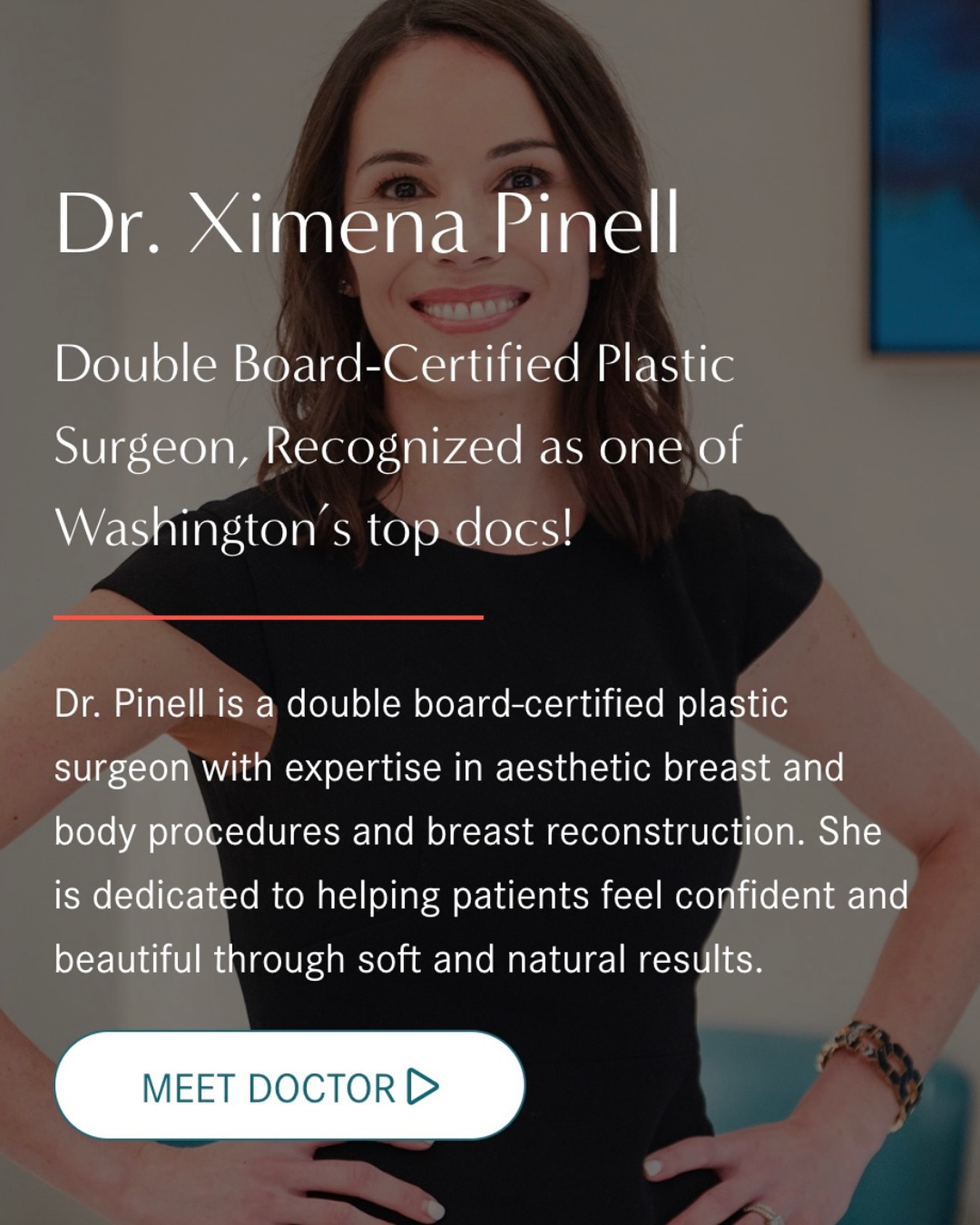
If you are searching for a facial plastic surgeon near Georgetown, DC, DAVinci Plastic Surgery offers experienced surgical care and convenient follow-up appointments. Triple board-certified plastic surgeon Dr. Steven Davison and double board-certified plastic surgeon Dr. Ximena Pinell both bring advanced training and a personalized approach to rhinoplasty, helping patients understand what to expect before, during, and after surgery.
During your consultation, Dr. Davison or Dr. Pinell can evaluate your nasal anatomy, discuss your goals, explain your recovery timeline, and help you plan around work, exercise, and social events. With a focus on natural-looking results, careful planning, and supportive post-surgical care, DAVinci Plastic Surgery gives rhinoplasty patients a trusted place to begin their recovery journey.
Frequently Asked Questions About Rhinoplasty Recovery Time
How long is rhinoplasty recovery?
Most patients can return to work about one week after rhinoplasty. Strenuous exercise usually takes one to two months, and swelling can continue improving for up to one year or longer.
When will I look normal after rhinoplasty?
Many patients feel more socially comfortable within two to three weeks, although mild swelling may persist.
When can I exercise after rhinoplasty?
Patients may be cleared to resume strenuous exercise and physical activity about one to two months after rhinoplasty. Your surgeon should confirm your timing before you restart intense workouts.
Will my nose keep changing after I return to work?
Yes. You may return to work before your final result appears. Internal nasal tissues can continue to swell intermittently for up to one year, and subtle tip swelling may take a year or longer to fully resolve.
How can I plan for rhinoplasty recovery before surgery?
Plan for at least one week of downtime, arrange help if needed, prepare soft clothing that does not pull over your head, and ask your surgeon when you can wear glasses, exercise, and return to social events.
Schedule a Rhinoplasty Consultation in Washington, D.C.
Rhinoplasty recovery time becomes easier to understand when you have a plan tailored to your nose, goals, and lifestyle. At DAVinci Plastic Surgery, your consultation gives you time to discuss your concerns face-to-face with your surgeon, receive a proper evaluation, and learn what your recovery may look like.
To learn more about rhinoplasty in Washington, D.C., call DAVinci Plastic Surgery at (202) 966-9590 or complete the online contact form to schedule your consultation.