Posted July 27, 2026 in Breast Reduction Surgery
8 minute read

If you are considering breast reduction surgery, you may feel excited about having lighter, more proportionate breasts but worried about visible scarring. While these concerns are completely understandable, breast reduction scars are an unavoidable part of surgery. Your surgeon must make several incisions to remove excess tissue and reshape the breasts.
Although breast reduction scars are permanent, they usually soften, flatten, and fade as healing progresses, becoming much less noticeable as they mature. At DAVinci Plastic Surgery, Dr. Steven Davison and Dr. Ximena Pinell carefully plan every incision to support both beautiful breast reduction results and the least conspicuous scars possible. Your surgical plan depends on the amount of correction needed and your desired breast appearance.
Table of Contents
- Will Breast Reduction Surgery Leave Visible Scars?
- Where Are the Surgical Incisions With Breast Reduction Surgery?
- Do Breast Reduction Scars Go Away Over Time?
- What Affects How Breast Reduction Scars Heal?
- How Can You Support Better Scar Healing After Breast Reduction?
- How Do Scars Fit Into Your Breast Reduction Results?
- Why Choosing the Right Breast Reduction Surgeon Matters for Scarring
- Frequently Asked Questions About Breast Reduction Scars
Will Breast Reduction Surgery Leave Visible Scars?
Since it involves surgical incisions, a breast reduction procedure typically leaves scars. However, this does not mean your scars will always look as noticeable as they do during the early healing process. Most breast reduction scars continue maturing for 12 to 18 months, although many become significantly less noticeable much sooner.
However, your surgeon designs each incision with intent and purpose. Whenever possible, incisions are placed where they can be concealed beneath bras, swimsuits, and many clothing styles. The final appearance of your scars will depend on several factors, including the incision pattern, the size and location of the surgical wounds, your genetics, and individual healing characteristics.
Where Are the Surgical Incisions With Breast Reduction Surgery?
Your incision pattern and surgical technique depend on your breast size, breast shape, degree of sagging, skin quality, areola position, and the amount of tissue and skin that your surgeon needs to address.
The three most common breast reduction incision patterns include the following:
- Donut Incision: A single incision is made around the perimeter of the nipple-areola complex. This technique is generally reserved for carefully selected patients who require only a small reduction and minimal lifting.
- Vertical or Lollipop Incision: A vertical reduction typically creates an incision around the areola and another extending from the areola to the breast crease. This is the most commonly used approach to breast reduction surgery, as it’s ideal for moderate reduction.
- Inverted-T or Anchor Incision: An anchor pattern includes an incision around the areola, down the lower breast, and horizontally within the breast crease. This approach is commonly recommended for patients who require a larger reduction, significant reshaping, or correction of more advanced breast sagging.
At DAVinci Plastic Surgery, breast reduction incisions most often involve the area around the areola and lower breast tissue, with the exact placement based on the extent of correction required.
Do Breast Reduction Scars Go Away Over Time?
No. A scar forms as part of the body’s natural healing process, so breast reduction scars do not completely disappear. However, they typically become much less noticeable as they heal and mature. During the first few weeks after surgery, scars may appear red, pink, darker, or lighter than the surrounding skin and may feel firm or slightly raised. As the tissue heals, the color and texture of the scars gradually change.
By about six months, scars are typically flatter and less pronounced, although they are still visible. Over the following months, they continue to soften and fade, reaching their final appearance within 12 to 18 months. Because every patient heals differently, the final appearance of your scars will depend on factors such as your genetics, skin type, incision pattern, and your body’s healing response.
It is important to keep this healing timeline in mind when evaluating your breast reduction results. A scar that appears noticeable a few weeks or even several months after surgery does not represent its final appearance. If you have concerns about how your scars are healing, speak with your surgeon before beginning any scar treatment. With your surgeon’s approval, silicone gel or silicone sheets, laser treatments, steroid injections for raised scars, or microneedling may help improve the appearance of certain scars.
What Affects How Breast Reduction Scars Heal?
No two patients heal exactly alike. Several factors can affect how noticeable your scars appear after breast reduction. These include:
- Your individual genetics and tendency to form noticeable scars
- The size, depth, and location of the surgical incisions
- The incision pattern needed for your anatomy and desired correction
- Your body’s individual healing response
- Whether you develop raised hypertrophic or keloid scarring
- Smoking or nicotine use, which can significantly impair wound healing and scar quality
- Following your surgeon’s postoperative instructions
Hypertrophic scars stay in the original incision and may fade over time. Keloid scars can grow beyond the original incision site and may continue developing over months or years.
Before surgery, tell your surgeon about any history of thick, raised, or difficult scar tissue. Sharing this information helps your surgeon personalize your treatment plan and discuss realistic expectations for healing.
How Can You Support Better Scar Healing After Breast Reduction?
Your surgeon should provide specific post-surgical instructions based on your procedure and recovery. These instructions include incision care guidelines, prescribed medications, activity restrictions, warning signs based on your anatomy, and follow-up appointments during breast reduction recovery.
Recovering from breast reduction surgery takes several weeks, during which patients should limit strenuous exercise until cleared by their surgeon.
Other recommendations for minimizing breast reduction scars can include:
- Avoiding sun exposure
- Silicone sheets or silicone gel once approved by your surgeon
- Scar massage, when recommended by your surgeon
- Non-surgical treatments like microneedling, laser treatments, steroid injections for raised scars, or other scar management options, when recommended by your surgeon
However, it’s important to get surgeon approval before pursuing any type of scar care treatment.
How Do Scars Fit Into Your Breast Reduction Results?
For most patients researching surgery, the real question is not simply whether scars exist. Most patients ultimately decide that the relief from chronic neck, shoulder, and back discomfort—and the improved breast shape and proportion—far outweigh the appearance of well-healed scars.
During a consultation, you should discuss the expected incision pattern alongside the breast size, shape, and proportion you hope to achieve. Reviewing before and after photos of your surgeon’s actual patients can help you better understand typical breast reduction results, including how scars often continue improving during the healing process.
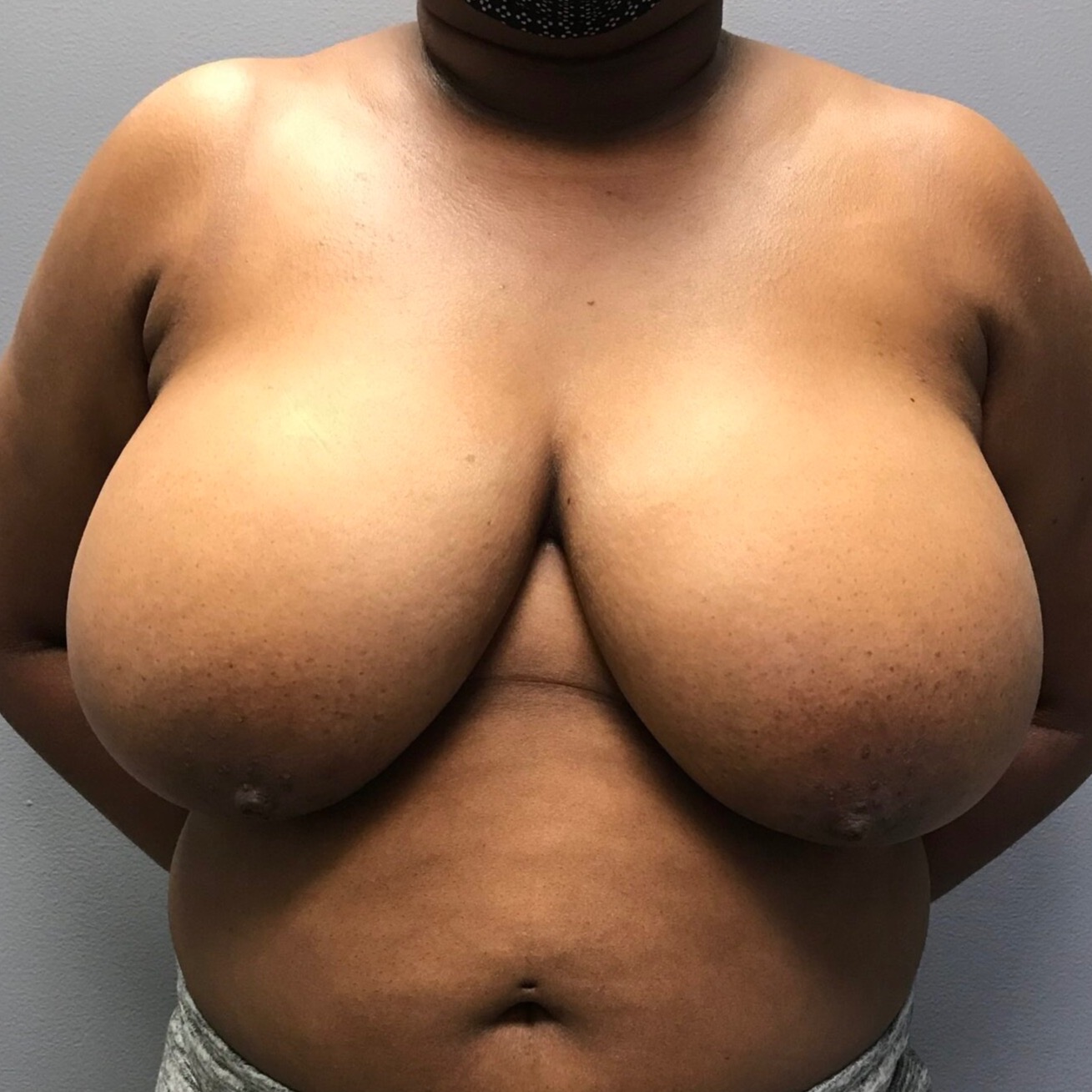
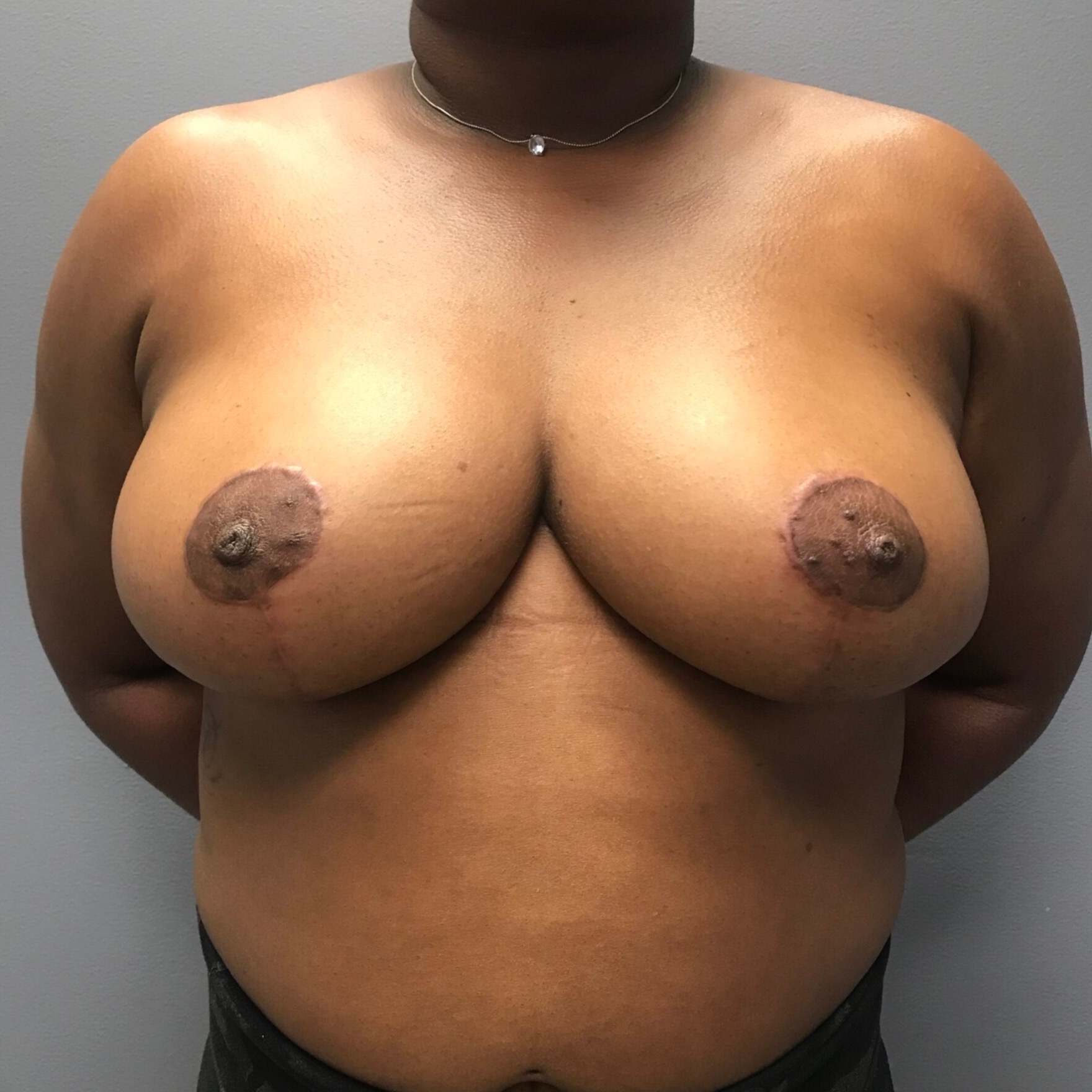
View More Breast Reduction Before & After Photos
Why Choosing the Right Breast Reduction Surgeon Matters for Scarring
Your consultation should give you a clear understanding of where your incisions may sit, why your surgeon recommends a particular pattern, and what you can realistically expect from the healing process. For patients considering breast reduction surgery in Georgetown, DC, the team at DAVinci Plastic Surgery takes a personalized approach, creating a surgical plan based on your anatomy, concerns about scarring, and desired results.
Led by triple board-certified plastic surgeon Dr. Steven Davison and double board-certified plastic surgeon Dr. Ximena Pinell, DAVinci Plastic Surgery combines extensive surgical training with experience in aesthetic and reconstructive breast surgery. Dr. Davison specializes in the superomedial pedicle breast reduction technique, an approach designed to create a smaller, lifted breast with upper breast fullness. Every surgical plan is customized to the patient’s anatomy, aesthetic goals, and safety.
At DAVinci Plastic Surgery, your consultation provides an opportunity to discuss your concerns about breast reduction scars, your desired breast reduction results, and the incision pattern that may fit your anatomy and treatment goals.
Frequently Asked Questions About Breast Reduction Scars
How long does it take breast reduction scars to fade?
While scar maturation depends on your anatomy, healing response, and aftercare habits, the scar maturation process can last 12–18 months. During this time, any elevation or discoloration of your scars will gradually subside.
Will I need an anchor scar for breast reduction surgery?
Not every patient requires the same incision pattern. Dr. Davison and Dr. Pinell choose an approach based on factors such as breast size, shape, sagging, skin quality, and the amount of correction needed.
Can breast reduction scars become raised?
Yes. Some patients develop hypertrophic scars or keloids. Hypertrophic scars remain within the original incision boundary, while keloids extend beyond the original wound.
When can I start using scar treatments?
The timing depends on incision healing and your surgeon’s instructions. Silicone products and massage can play a role in scar care, but you should follow your surgical team’s directions about when to begin any treatment.
Learn More About Breast Reduction Scarring in Georgetown, DC
Visible scarring is a real consideration when you are deciding whether breast reduction surgery is right for you. Every breast reduction procedure is carefully planned to achieve smaller, lighter, more proportionate breasts while placing incisions where they can heal as inconspicuously as possible. During your consultation, Dr. Davison or Dr. Pinell will explain which incision pattern is appropriate for your anatomy, what you can realistically expect during healing, and how to support the best possible scar outcome.
To discuss breast reduction surgery with the team at DAVinci Plastic Surgery in Georgetown and the larger Washington, DC, area, call (202) 966-9590 or contact our practice online to schedule a consultation today.